
Spinmacho Blackjack
Learn how blackjack works for Australian players at Spinmacho Casino: rules, house edge, basic strategy, live and RNG tables and playing on mobile.
Who builds the blackjack tables
Blackjack here follows the standard goal: beat the dealer to 21 without going over. With basic strategy the house edge sits near 0.5%, so every A$100 wagered costs about 50 cents on average. This page covers rules, odds, mobile play and how to start a round.
Blackjack comes from two kinds of studio. Live dealer providers run real tables from a broadcast studio, with a human dealer, a physical shoe and a video feed. RNG table providers build software versions where a random number generator shuffles every hand instantly. Both follow the same card rules, but the pace, the table limits and the feel of a session differ a lot, so it helps to know which one you are opening before you place a chip.
| Studio | Popular games |
|---|---|
| Evolution | Red Baron Live, Red Baron RNG, American Roulette by Evolution |
| Thunderkick | Arcader, Bass Hunter, Beat the Beast: Cerberus Inferno |
| Push Gaming | Diamond Supernova 5, Fish n Nudge Big Catch, Power Vault Multi |
| iSoftBet | Gus's Gold Minecart Mayhem, Take-Off!, Boss Level |
| NetEnt | Big Money Wheel, Babylon Riches, Beach Invaders |
Swipe
Provider names matter for one practical reason: the rules are set per table, not per casino. Two blackjack tables can sit side by side in a lobby and pay different blackjack odds, or allow doubling after a split on one and not on the other. A studio's name is also a useful shortcut, since a live specialist usually means host-led tables, while a slot-first studio usually points to quick RNG games. The filter below helps you narrow the lobby, and the rules panel inside each game tells you what that particular table does.
Pick a provider and a minimum RTP to narrow the table list, then open the rules inside a table to confirm its payouts.
- Live tables: a human dealer, a real shoe, a chat window and seats that fill up at busy hours.
- RNG tables: no waiting for a seat, faster hands and the option to play at your own pace.
- Live tables often have a bet-behind option, so you can back a seated player when all seats are taken.
- RNG tables usually let you try the rules at low stakes before you commit a bigger bankroll.













Playing blackjack on your phone
Blackjack suits a phone screen better than most casino games. There are only a few buttons, the decisions are quick and a round fits into a short break. Whether you play at home on the couch or on the train, a stable connection matters more than the device. Live tables stream video, so Wi-Fi or a solid 4G or 5G signal keeps the dealer feed smooth and stops a hand from freezing at the moment you want to act.
Data use is the other thing to watch. A live video table pulls far more data than a software table, so if you are on a limited mobile plan, an RNG table is the lighter choice. Tap targets are also bigger in portrait mode for chips, while landscape suits the card layout, so try both and keep the one that stops you from mis-tapping a double when you meant to hit.
Turn the phone sideways: landscape mode gives the cards, the chips and the action buttons more room.
Check the table limits before you sit down, because a table with an A$5 minimum drains a small bankroll faster than you expect.
Silence notifications while you play so a message never makes you miss a decision timer.
Keep the battery above 30% or plug in, since a live video stream uses a lot of power.
Do not play on public Wi-Fi when you are logged in to your account or making a payment.
RTP and volatility in blackjack
Blackjack does not have one fixed RTP like a slot, because the result depends on how you play. The house edge is the share of each bet the casino keeps on average over a very long run. With basic strategy at a table that pays 3:2 for a natural blackjack, the edge sits near 0.5%, which is an RTP of about 99.5%. A careless player gives much of that back.
Long-run averages from the maths of the game, not a promise for one session.
Volatility is a separate question: how far your balance swings on the way. Blackjack is low to medium volatility. A single hand has a standard deviation of roughly 1.15 bets, so over 100 hands at A$10 a typical swing is around A$115 either way, even though the expected cost at a 0.5% edge is only about A$5 on that A$1,000 of total bets. That gap is why a good night and a bad night can both happen at a table with a great RTP.
| Rule | Effect on you |
|---|---|
| Pays 3:2 | Better |
| Pays 6:5 | Worse |
| Dealer stands | Better |
| Double after split | Better |
| Insurance offered | Avoid |
| Fewer decks | Slightly better |
Swipe
Pays 3:2 and 6:5 refer to the payout for a natural blackjack. Dealer stands means the dealer stands on a soft 17, which favours you. Check the rules panel in each game before you bet. A table that pays 6:5 adds roughly 1.4% to the house edge, which is why it appears in the chart above at around A$20 per A$1,000. Insurance pays 2:1 but costs more than it returns on average, so basic strategy skips it.
What to look for in the blackjack lobby
The table games section of a casino lobby groups blackjack variants with roulette and baccarat. Rather than assume what any lobby holds on a given day, start from what you want from a table and filter for it. Open the rules, read the payout line and only then place your first chip. The Spinmacho Casino lobby is the place to see the current list of tables.
Classic blackjack
The standard single-hand game against the dealer. Best for learning the rules and for practising basic strategy at your own pace.
Multi-hand blackjack
Play several hands in one round against the same dealer card. It raises your stake per round, so size your bets smaller than usual.
Live dealer tables
A human dealer deals from a real shoe over video. Slower, more social and often with side bets and a bet-behind option.
Side bet variants
Extra bets such as perfect pairs sit on top of the main hand. They are fun but carry a higher house edge than the base game.
Strengths
- Low house edge with correct play
- Simple rules that are quick to learn
- Strategy chart gives you a real edge over guesswork
Worth knowing
- Results still swing in the short run
- Side bets cost more than the main game
Popular blackjack formats
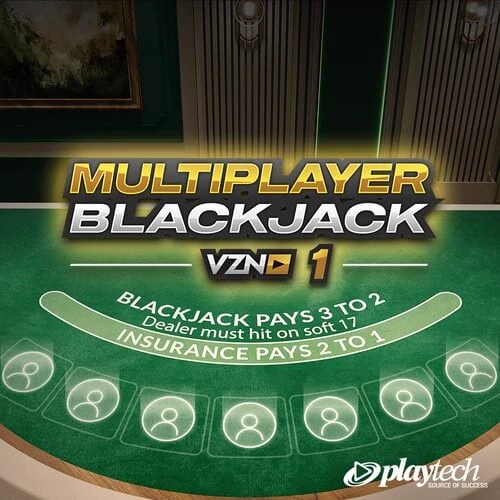
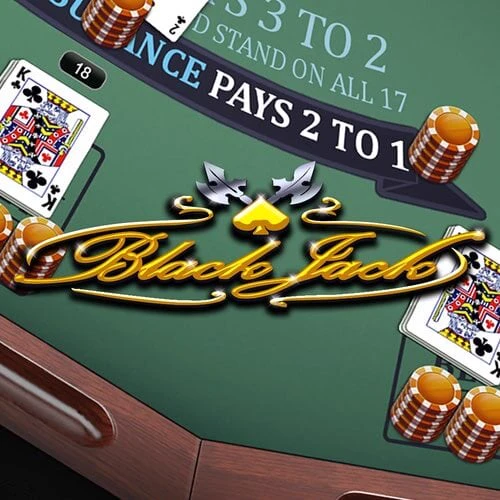
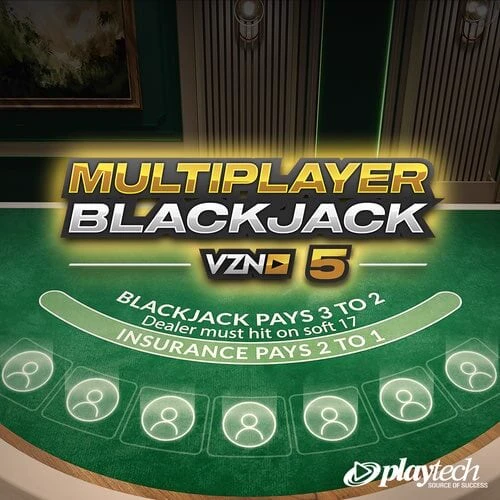
Most players settle on two or three formats and stay with them. The grid in the first section shows blackjack and other table titles picked from the game catalogue, and the list below explains how the common formats differ so you can choose one that suits your bankroll and your pace.
- Single deck: the best odds for the player, though few tables still deal it.
- Six or eight deck shoe: the most common format, with a slightly higher edge for the house.
- Speed blackjack: shorter decision timers and more hands per hour, so costs add up quicker.
- Free bet or switch variants: rule twists that change the strategy chart, so read the rules first.
If you are new, start with a classic table at the lowest stake you can find and play a few dozen hands with the strategy chart open. Once the chart feels natural, try a multi-hand or live table. Moving between formats too early is the most common reason players feel the game is unfair, when really the rules simply changed under them.
How a round plays out, step by step
-
1
Open the table games
From the lobby, choose the table games section or use the search box and type blackjack.
-
2
Pick a table
Check the minimum and maximum bet and the rules line, so the limits fit your bankroll in A$.
-
3
Place your chip
Tap a chip value and then the betting spot. Keep your stake to a small share of the session budget.
-
4
Read your cards
You get two cards and see one dealer card. Compare your total with the strategy chart for that dealer card.
-
5
Choose an action
Hit for another card, stand to keep your total, double to raise the bet or split a pair into two hands.
-
6
Collect or move on
The dealer plays out the hand and wins are credited at once. Adjust the next bet or leave the table.
The core of basic strategy fits in a few lines. Hit on a hard 8 or lower and stand on 17 or higher. Double on 11 against any dealer card from 2 to 10. On 12 to 16, stand against a dealer 2 to 6 and hit against 7 to ace. Always split aces and eights, and never split tens or fives. Follow that and you are playing at the 0.5% edge.
Keeping blackjack enjoyable
Blackjack feels skilful, which makes it easy to overspend. Set a budget before you open a table, decide how long you will play and stick to both. At 60 live hands an hour and A$10 a hand you move around A$600 an hour, and even at a 0.5% edge that costs about A$3 on average, while the swings can be far larger than that. Never chase losses with bigger bets, and do not play when you are tired or upset.
If you want to read more before you play, the casino guides cover rules, bankroll basics and payment tips. Fans of sport can also take a look at the betting site. For account questions, support can be reached by email or LiveChat. A short break after every session, and a rule that you stop once your budget is gone, keep the game a pastime rather than a problem.
Blackjack questions answered
What is the aim of blackjack?
You try to get a hand total closer to 21 than the dealer without going over. Cards 2 to 10 count at face value, face cards count 10 and an ace counts 1 or 11. A two-card 21 is a blackjack and usually pays 3:2.
What is the house edge in blackjack?
With basic strategy at a 3:2 table it is about 0.5%, meaning around A$5 lost per A$1,000 wagered over the long run. At a 6:5 table it rises to roughly 2%. Short sessions can deviate far from these averages.
Is live blackjack better than RNG blackjack?
Neither has a better edge by default, since the rules of each table decide that. Live is slower and more social, while RNG is faster and lets you set your own pace. Pick the one that fits how you like to play.
Can I play blackjack on my phone?
Blackjack suits mobile play well because it has few buttons and quick decisions. Use a stable connection, switch to landscape mode and keep an eye on battery life if you stream a live table.
Should I take insurance?
Basic strategy says no. Insurance pays 2:1 when the dealer shows an ace, but the dealer has blackjack less often than that payout needs to break even, so it costs you money in the long run.
Can card counting work online?
Not in practice. RNG tables reshuffle after every hand, and live tables often reshuffle early. Counting gives no real edge in those conditions, so a sound strategy and a firm budget are the better tools.
How do I set a spending limit?
Decide a budget in A$ before you start and stay within it. If you want extra help, Gambling Help Online at gamblinghelponline.org.au offers free support, and BetStop at betstop.gov.au lets you self-exclude.
Ready to Start Your Gaming Journey?
Check the current welcome offer and its terms, then decide if Spinmacho Casino suits the way you play.
Last updated 2026-11-08 Reviewed by Sophie Anderson, Casino Gaming Expert